
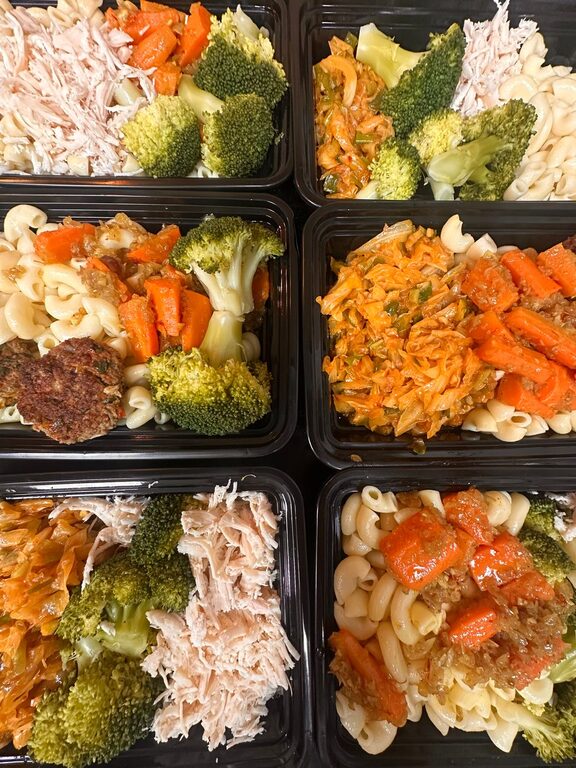
Creating a weekly meal plan can transform your cooking routine, making meal times less stressful and more enjoyable. Whether you’re cooking for yourself, your family, or a group of friends, having a plan helps you stay organized, save money, and eat healthier. In this post, we’ll walk you through simple steps to create a weekly meal plan that fits your lifestyle.
Why Create a Weekly Meal Plan?
Before diving into how to create a meal plan, it’s helpful to understand why it benefits you:
– Saves Time: Knowing what to cook ahead of time eliminates daily indecision.
– Reduces Food Waste: Planning meals means you buy only what you need.
– Supports Healthy Eating: You can choose balanced meals and avoid last-minute unhealthy options.
– Saves Money: Shopping with a list helps prevent impulse purchases.
– Eases Stress: Mealtime becomes more predictable and enjoyable.
Now, let’s get started on planning your meals.
Step 1: Assess Your Week Ahead
Begin by looking at your schedule for the upcoming week. Consider:
– How many meals and snacks you’ll need.
– Days when you might be busy or eating out.
– Time available for cooking.
– Any special events or occasions.
Understanding your week helps in choosing meals that fit your time and energy levels.
Step 2: Choose Your Meals
Pick simple, balanced meals that suit your tastes and dietary needs. Focus on including:
– Proteins: Chicken, fish, beans, tofu, eggs.
– Vegetables: Fresh, frozen, or canned.
– Carbohydrates: Rice, pasta, potatoes, whole grains.
– Healthy Fats: Olive oil, nuts, avocado.
Quick Tips for Meal Ideas
– Use recipes that take 30 minutes or less.
– Incorporate leftovers for another meal.
– Try “theme nights” like Meatless Monday or Taco Tuesday.
– Include batch-cooked meals like soups or stews.
Step 3: Create a Weekly Menu Template
Organize your chosen meals into a simple table or list. For example:
| Day | Breakfast | Lunch | Dinner |
|———–|—————-|—————-|—————-|
| Monday | Oatmeal + fruit| Chicken salad | Stir-fry veggies + rice |
| Tuesday | Yogurt + granola| Leftover stir-fry| Baked salmon + quinoa |
| … | … | … | … |
You can customize your menu based on preferences and availability.
Step 4: Make a Shopping List
Use your meal plan to write down all ingredients you’ll need. Group items by category to make shopping easier:
– Produce
– Dairy
– Meat/Fish
– Pantry items
– Frozen foods
Check your pantry and fridge first to avoid duplicates. This list will help you stay on track during your grocery trip.
Step 5: Prep Ahead When Possible
Meal prepping saves time during busy days. Consider:
– Washing and chopping vegetables.
– Cooking grains or proteins in advance.
– Portioning snacks.
– Freezing meals for later in the week.
Even 15-30 minutes of prep can make a big difference.
Step 6: Stay Flexible
While a meal plan provides structure, life can be unpredictable. Be open to swapping meals or adjusting plans based on how you feel or unexpected events. Having backup options like frozen meals or pantry staples helps.
Additional Tips for Success
– Use Technology: Apps and online tools can help create and manage meal plans.
– Get the Family Involved: Ask family members for meal preferences or to help prep.
– Rotate Recipes: Keep your meals interesting by trying new recipes regularly.
– Keep It Simple: Don’t feel pressured to cook complicated dishes every day.
– Review and Adjust: After a week or two, see what works and what doesn’t, then modify your plan.
Sample Simple Weekly Meal Plan
Here’s a sample plan to get you started:
– Monday:
Breakfast: Smoothie with spinach, banana, and yogurt
Lunch: Turkey sandwich with veggies
Dinner: One-pan roasted chicken with potatoes and carrots
– Tuesday:
Breakfast: Scrambled eggs with toast
Lunch: Leftover chicken over salad greens
Dinner: Spaghetti with marinara sauce and mixed vegetables
– Wednesday:
Breakfast: Overnight oats with berries
Lunch: Lentil soup
Dinner: Stir-fried tofu with broccoli and rice
– Thursday:
Breakfast: Greek yogurt with honey and nuts
Lunch: Quinoa salad with chickpeas and cucumber
Dinner: Baked salmon with green beans
– Friday:
Breakfast: Whole grain cereal with milk
Lunch: Veggie wrap
Dinner: Homemade pizza with assorted toppings
– Saturday:
Breakfast: Pancakes with fruit
Lunch: Leftover pizza
Dinner: Grilled burgers with side salad
– Sunday:
Breakfast: Bagel with cream cheese and fruit
Lunch: Chicken noodle soup
Dinner: Roast beef with potatoes and steamed veggies
Remember, your plan should reflect what you enjoy eating and what fits your schedule.
—
Creating a simple weekly meal plan is a manageable way to ease your daily cooking routine while encouraging healthier eating habits. Start small, adjust as you go, and enjoy the benefits of stress-free meal preparation!
About the Author